Many people think about opening a Dropshipping business, and a few of them actually do. But among them, very few actually continue to run the store. Only around 1% to 10% of new dropshipping stores make a profit in their first year, while an estimated 80% to 90% fail or are abandoned during that period. Find a product, add it to your store, and a supplier takes care of shipping it to the customer.
But once you actually start running the store, there is much more to handle. You need to find products worth selling, create product images and videos, write descriptions, answer customer questions, manage orders, and keep your social media active.
Many AI tools are actually designed to make this task easier, and some AI tools have capabilities that are excellent for Dropshipping. Know that not every tool will directly increase your sales, but the right combination can save time and help you make better decisions. Here are seven AI tools for dropshipping worth exploring, depending on what your store needs most.
What is Dropshipping?
Dropshipping is an e-commerce business model in which sellers buy products from a third-party supplier and then sell the products directly to their customers. In this e-commerce model, there is no need for inventory, and shipping is not handled by the seller. But even with so many advantages, Dropshipping has gotten a lot of criticism, as some people give misleading advice about its income. So before starting this business, it is important to be realistic about the amount of money you can earn through it. This e-commerce business model also attracts people looking for a way to start an online business.
A big reason for the popularity of dropshipping is how products are shown and sold. Dropshippers are the ones who control the sales process completely. The first thing they do is present a product, describe its features, and encourage customers to buy it. The thing is, customers are not always able to see a thing or to even physically try a product before buying. Therefore, product descriptions, images that are convincing, price competitiveness, and a trustworthy shopping environment become especially significant. Marketing is a very big deal in converting casual visitors into paying customers.
AI Tools for Dropshipping At a Glance
| Tool | Best For | Key Features |
| Sell The Trend | Product research | Product discovery, trend analysis, competitor research |
| Minea | Ad and competitor research | Ad tracking, product research, competitor analysis |
| AutoDS | Dropshipping automation | Product importing, order automation, AI-assisted product descriptions |
| Photoroom | Product image editing | Background removal, AI product photography, image enhancement |
| Creatify | Product video ads | AI video ad creation, product URL-to-video generation, AI avatars |
| Tidio Lyro | Customer support | AI chatbot, automated customer responses, support workflows |
| Buffer | Social media marketing | Post scheduling, content planning, AI-assisted caption creation, analytics |
Sell The Trend
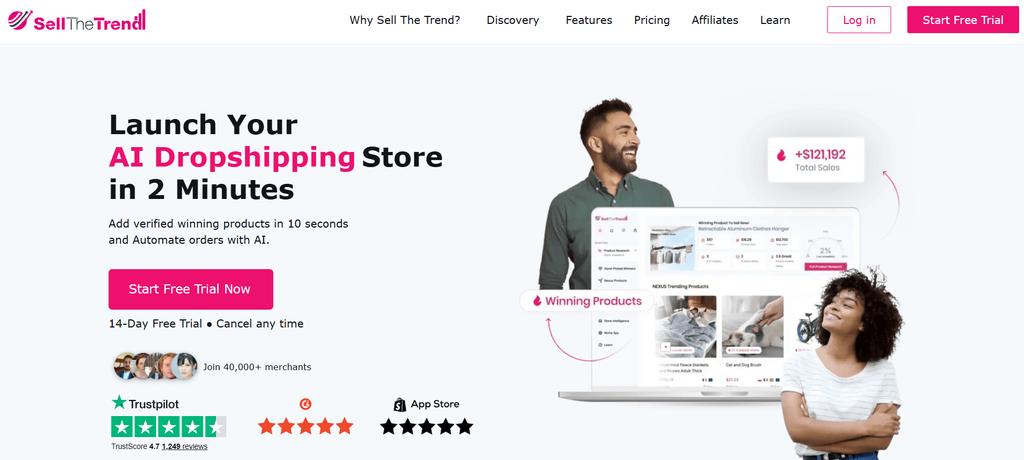
Sell The Trend is a dropshipping platform built around product research and store management. It helps sellers explore product ideas, investigate market trends, and find items they may want to sell. Instead of browsing multiple supplier websites and trying to identify promising products manually, you can use its research tools to narrow down your options.
The platform is particularly useful when you are starting a dropshipping business and are unsure which products to choose. You can research different niches, examine available product information, and compare potential opportunities before investing in advertising. Sell The Trend also offers tools for importing products into supported stores, helping you move from product research to listing items for sale. However, research data should be treated as a starting point rather than a guarantee of future sales.
Key features
- Product research: Discover products that may have sales potential.
- Trend analysis: Explore product trends and available performance data.
- Competitor research: Study other stores and their product selections.
- Product importing: Import products into supported online stores.
- Store tools: Access features that support store setup and promotion.
Minea
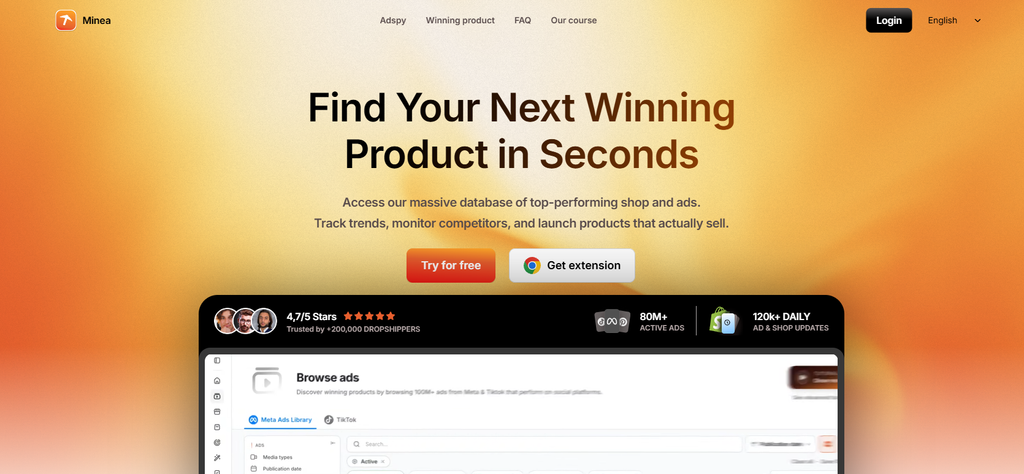
Minea is a tool specifically designed for performing dropshipping-related research that highlights advertisements and the behavior of your fellow competitors. It enables sellers to identify products simply by observing how competing businesses promote their items on social media and other advertising channels. This is quite a convenient and smart strategy that allows you to study existing marketing campaigns instead of guessing when it comes to the selection of products that you are going to sell.
If you’re planning to venture into selling beauty accessories, you can look for the types of advertisements that are being run and see how the companies display or describe their products.
Using their visual elements, style, and marketing messages, as well as analyzing engagement statistics one by one, you can come up with creative ways for your ads. Remember, Minea is a research tool, so after identifying products, you will need other tools for such duties as order completion and product stock management.
Key features
- Ad spy: Research advertisements across supported platforms, including Facebook, TikTok, and Pinterest.
- Product discovery: Find products attracting attention in the market.
- Competitor analysis: Explore other sellers’ products and marketing strategies.
- Ad filters: Narrow results using available advertising and engagement data.
- Supplier discovery: Find potential suppliers for selected products.
AutoDS
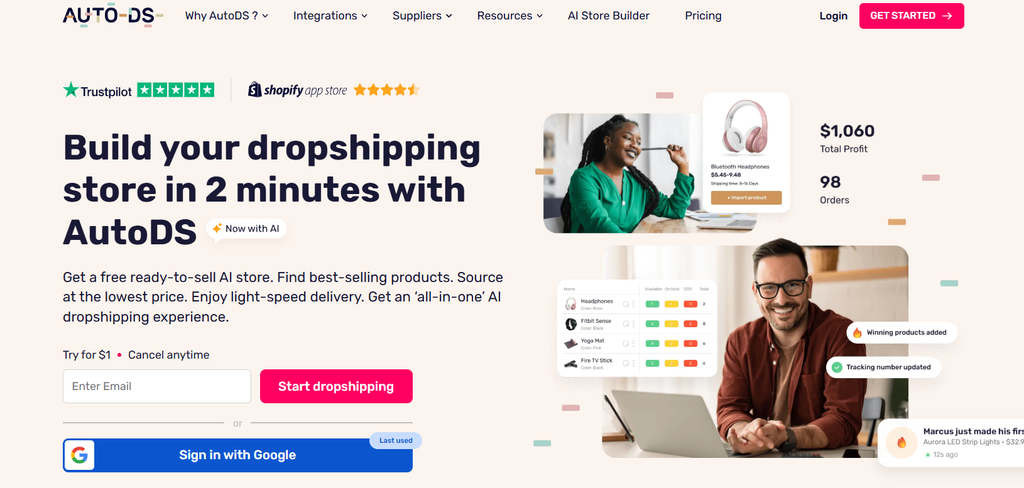
AutoDS focuses on the operational side of dropshipping. Once your store has products and starts receiving orders, you need to keep listings updated, monitor supplier stock, check prices, and manage deliveries. Doing these tasks individually can become difficult when you have many products or customers.
AutoDS helps automate supported parts of this process through integrations with compatible suppliers and online stores. You can use it to import products, monitor inventory changes, and manage order-related workflows from a central platform.
This can reduce manual work and help you avoid problems caused by outdated prices or unavailable products. The level of automation depends on your supplier, store integration, fulfillment method, and subscription plan.
Key features
- Product importing: Add products from supported suppliers to your store.
- Order automation: Automate eligible order-processing and fulfillment tasks.
- Price monitoring: Track supplier price changes and update supported listings.
- Stock monitoring: Keep product availability updated.
- Tracking management: Manage shipment tracking information.
- AI content tools: Help create or improve product descriptions and other content.
Photoroom
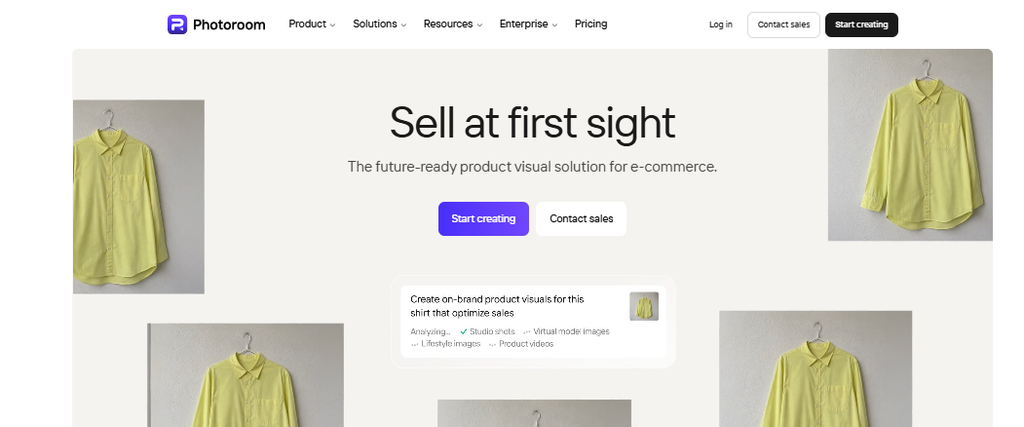
Photoroom is an image editing platform that helps online sellers prepare product photos for their stores and marketing campaigns. Many dropshippers use supplier-provided images, which may have distracting backgrounds or inconsistent styling. Photoroom makes it easier to improve these images without needing advanced design skills or a professional photography setup.
You can remove backgrounds, create new scenes, and prepare product visuals for different platforms. For example, a product image with a plain background can be suitable for a store listing, while a lifestyle-style image may work better in an advertisement. The tool can also help maintain a consistent appearance across a large catalogue. Always check edited images to ensure they represent the actual product accurately.
Key features
- Background removal: Remove unwanted backgrounds from product photos.
- AI backgrounds: Create new settings for product images.
- Product photography: Generate product-style visuals for marketing.
- Object removal: Remove unwanted elements from images.
- Batch editing: Edit multiple product photos more efficiently.
- Image resizing: Prepare visuals for store listings and social media.
Creatify
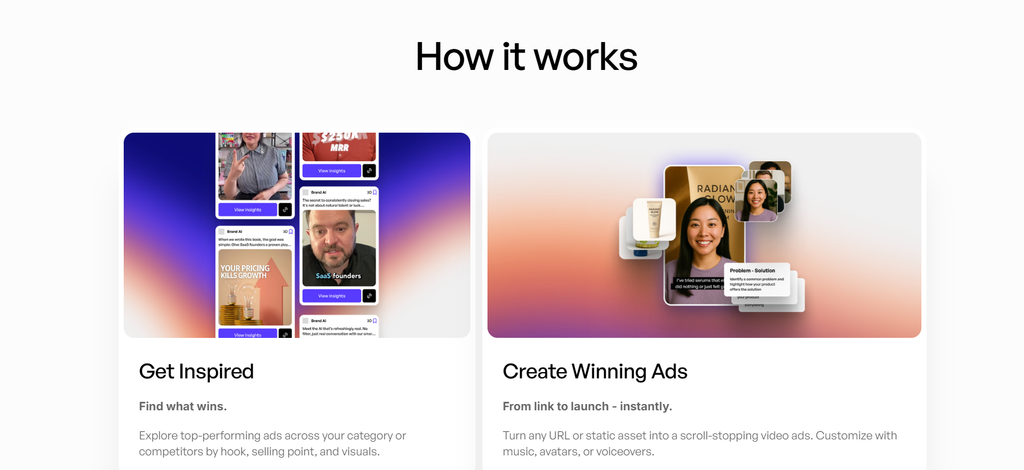
Creatify is an AI tool that creates ads and does everything without recording a single scene, writing a single script, or editing video from beginning to end, one video at a time. It is especially a good tool for dropshippers who are looking to try out different products and advertising ideas on social media.
Using product-page info, the platform makes video ads with scripts, voiceovers, and presenter-style content. It gives you the opportunity to create multiple versions of a video to see which one your audience would like better.
In this case, if you are running a product that just came to the market and would like some creative variations of the product for showcasing, then this is a good option. Before releasing the final videos, double-check to see if the product info and demonstrations are correct.
Key features
- Product URL to video: Turn supported product pages into video ad drafts.
- AI script generation: Create scripts based on product details.
- AI avatars: Make presenter-style videos with AI-generated presenters.
- Video variations: Produce different versions of advertisements for testing.
- AI voiceovers: Add narration to product videos.
- Bulk creative production: Speed up the creation of ads for multiple products.
Tidio Lyro
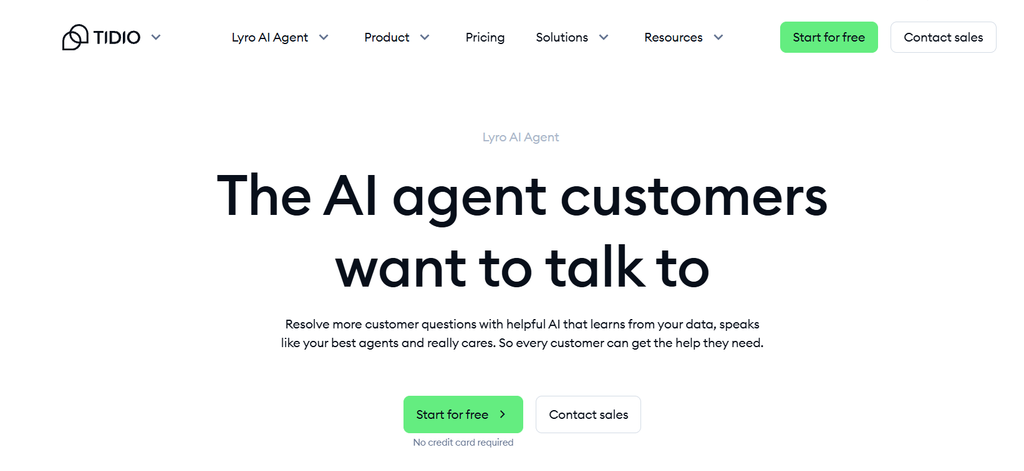
Tidio Lyro is an AI customer service agent designed to help businesses handle common customer questions. In dropshipping, shoppers often want to know about shipping times, return policies, product specifications, and order updates. Responding to these questions individually can take time, especially when you are managing the store alone.
Lyro can answer supported questions using the information you provide about your business. This helps customers find basic information without waiting for a personal response. When a question requires more attention, such as a complicated refund request or a missing package, the conversation can be passed to a human support agent through supported workflows. Its answers should be checked and updated whenever your store policies change.
Key features
- Automated responses: Answer common questions using your store’s support information.
- 24/7 assistance: Help customers outside your working hours.
- Knowledge-based answers: Provide responses based on your supplied content.
- Human handoff: Transfer complicated issues to a human support agent.
- Multilingual support: Respond in multiple languages.
- Support insights: Identify recurring questions and gaps in your help content.
Buffer
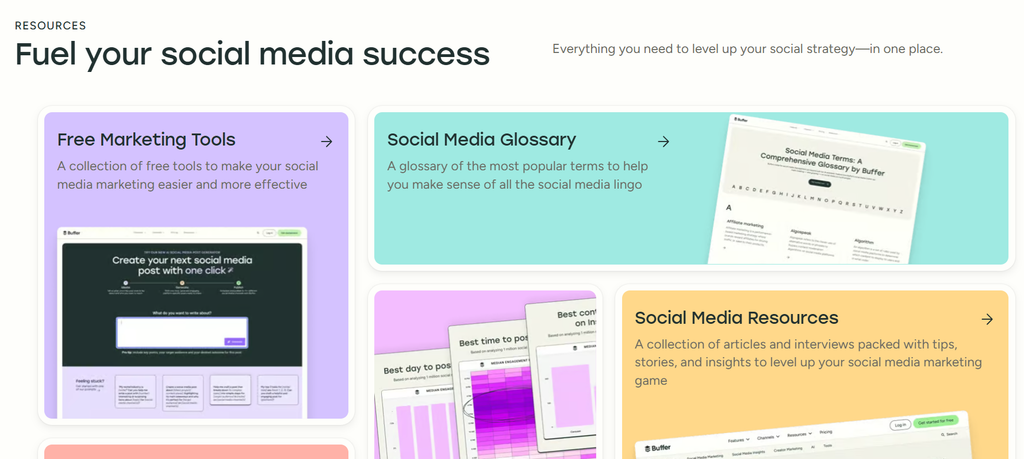
Buffer is a platform for social media marketers to organize their content and publish it on multiple supported social media networks. If you are a dropshipper, it makes sense to have social media as one of your marketing channels through which you can introduce new products, showcase how your product works, promote ongoing specials, and, of course, attract customers from your online store.
With Buffer, not only can you create social media posts beforehand and even organize them on different weeks of the calendar, but you can also set up your product promotion plans for a certain time, schedule your new campaigns, and use the available engagement data provided by Buffer to identify which kind of content works well for you.
Key features
- Post scheduling: Prepare content in advance and schedule posts.
- Multiple platforms: Manage content across supported social media channels.
- Content calendar: Organise upcoming posts and promotional campaigns.
- AI writing assistance: Generate post ideas and improve captions.
- Analytics: Review available engagement metrics.
- Team collaboration: Coordinate social media work with other team members on supported plans.
Conclusion
Building a successful dropshipping store takes more than finding a popular product. You also need effective marketing, appealing product visuals, reliable customer support, and a way to manage everyday tasks without wasting time.
The AI tools covered in this list serve different purposes. Sell The Trend and Minea help with product research, while AutoDS handles parts of store management and order fulfillment. Photoroom and Creatify are useful for creating product visuals and video ads, and Tidio Lyro and Buffer can help with customer communication and social media management.
You don’t need to use all seven tools at once. Start with the task that takes up the most time or causes the biggest challenge in your store, then choose a tool that fits your budget and workflow. AI can make running a dropshipping business more manageable, but product quality, pricing, customer experience, and marketing decisions still matter.
FAQs
Which AI tools are most suitable for dropshipping?
Sell The Trend and Minea can help you with identifying market demands. AutoDS provides automated support for store management, Photoroom can assist with the product image creation, Creatify generates video ads, Tidio Lyro is a means to provide customer support, while Buffer is great for handling your social media content.
Is it possible to run a dropshipping business solely with AI?
Indeed Yes. You can leverage AI tools to do product sourcing, write product content, marketing, design ads, and handle customer communication. However, you will have to find the right suppliers, determine the pricing policy, set up your store, and manage the orders.
Is it possible to have AI tools for dropshipping for free?
A few tools provide a free option, or they allow you to try a free trial
Which AI tools work best for finding products for dropshipping?
Sell The Trend and Minea are two excellent examples of such products with which you can discover products and get information about competitors’ marketing trends. Decide which best fits your business.
Can the AI tools ensure dropselling sales?
No. AI can support your efforts in producing marketing content, doing product research, and optimizing your productivity without any warranty for sales and profits. You are at the mercy of various external variables like product demand, pricing structure, supplier reliability, advertising activities, and how pleased customers are.
How do you decide the proper AI tool for your dropship store?
It makes sense to start by pinpointing your main problem area (e.g., sourcing or advertising products, or taking care of customer queries).