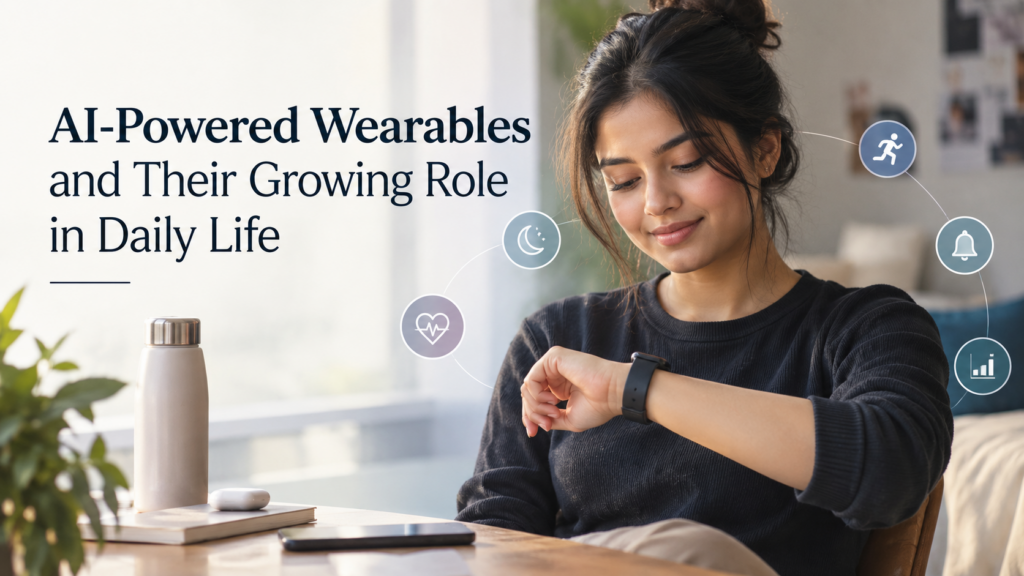
Artificial intelligence is no longer limited to the software we use on our phones and computers. It is gradually becoming part of the physical devices we carry, wear, and interact with throughout the day.
Smartwatches, connected earbuds, fitness trackers, and intelligent eyewear are bringing AI-powered capabilities closer to everyday activities. Rather than relying exclusively on traditional screens, users can access information, manage simple tasks, and interact with digital services through devices designed to fit naturally into their routines.
As AI-Powered Wearables technology continues to evolve, its growing appeal comes from combining convenience with more personalized experiences.
From Simple Tracking to Intelligent Assistance
Early wearable devices primarily focused on collecting information. Fitness trackers counted steps, monitored activity levels, and displayed basic notifications.
Modern wearables offer a broader range of capabilities.
Artificial intelligence can help interpret collected information, recognize patterns, and provide contextually relevant suggestions. Depending on the device, these features may support exercise tracking, communication, navigation, or personalized reminders.
The shift is significant because wearables are becoming more than passive accessories.
Instead of simply recording what happens throughout the day, they increasingly help users interact with information at the moment it becomes relevant.
Making Everyday Tasks More Convenient
One of the biggest advantages of wearable technology is its ability to reduce the number of small interactions that require a smartphone.
Checking a notification, answering a call, controlling music, or accessing basic information can interrupt an activity when it requires taking out a phone.
Wearables make some of these interactions more convenient.
A smartwatch can display an important message during a commute, while wireless earbuds can support voice-based communication when someone’s hands are occupied.
These functions may appear relatively minor individually, but their usefulness becomes more apparent when incorporated into a busy daily routine.
Smart Eyewear Is Expanding the Possibilities
Eyewear represents an interesting development in the wearable technology market because glasses are already a familiar everyday accessory.
By integrating digital features into conventional frame designs, manufacturers can introduce smart capabilities without requiring users to carry an entirely separate device.
Some smart glasses support audio playback, voice commands, communication, and hands-free photo or video capture.
Prescription compatibility is particularly relevant for people who already rely on corrective eyewear.
For instance, Meta glasses with prescription lenses provide an example of how smart technology and everyday vision correction can be incorporated into one accessory.
This combination illustrates an important direction for wearable technology: making advanced features accessible through products people may already use regularly.
The Importance of Personalization
Not everyone uses wearable technology in the same way.
Some people rely on their devices for exercise, while others are more interested in communication, productivity, or entertainment.
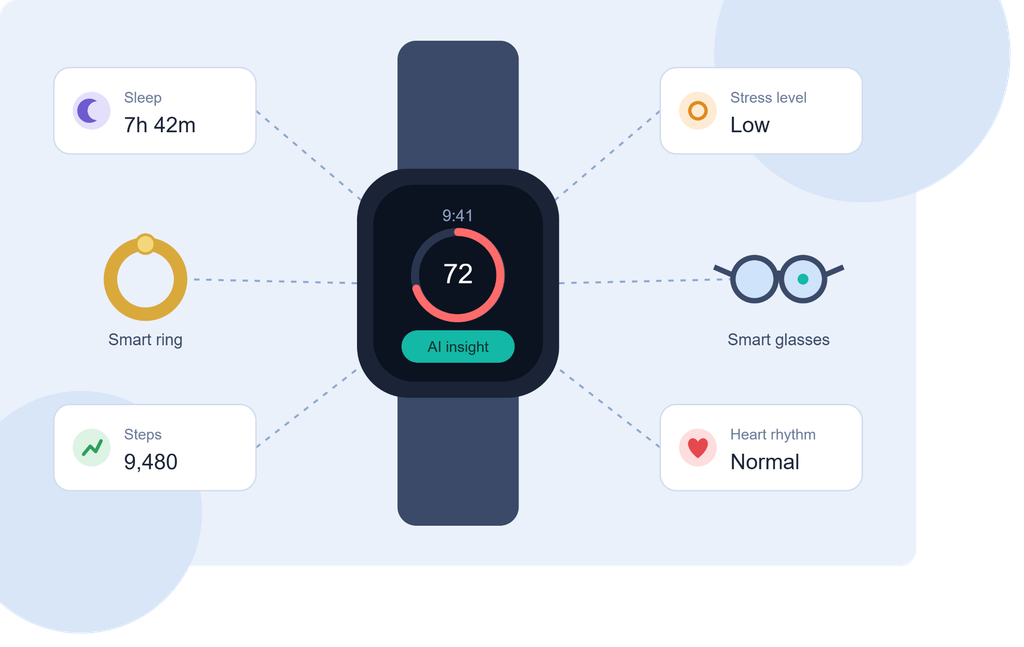
AI creates opportunities to make these experiences more personalized by adapting certain functions to individual preferences and usage patterns.
For example, a fitness wearable may present activity insights based on previous measurements, while a connected device might offer customizable notifications or voice settings.
However, meaningful personalization should also give users control over the information their devices collect and how that information is used.
Wearable AI and Accessibility
Wearable technology can also provide alternative ways to interact with digital services.
Voice controls, spoken notifications, and hands-free interfaces may be useful for individuals who find conventional touchscreens inconvenient in particular situations.
For someone carrying groceries, cooking, or performing a task that requires both hands, voice interaction offers a practical alternative to reaching for a phone.
Accessibility also depends on physical design. Comfortable frames, adjustable settings, readable interfaces, and support for different vision requirements can influence whether a wearable is suitable for regular use.
Developers therefore need to consider both software capabilities and the everyday needs of different users.
Privacy and Responsible Use
As wearables become more capable, privacy deserves greater attention.
Devices equipped with cameras, microphones, and sensors can collect information about their surroundings. Users should understand when these functions are active and how captured information is stored or shared.
Smart glasses with recording capabilities also introduce responsibilities toward the people around the wearer. Recording indicators are useful, but they do not replace the need to respect consent and local privacy rules.
Clear settings, transparent data practices, and responsible usage habits are essential to building trust in wearable technology.
What Comes Next for AI Wearables?
The next stage of wearable innovation will likely focus on making devices more comfortable, intuitive, and useful across a broader range of situations.
Rather than simply adding more features, manufacturers will need to consider how those features fit into real daily routines.
Better integration between devices, more adaptable interfaces, and improved personalization could make wearable technology a more natural extension of existing digital tools.
Final Thoughts
AI-powered wearables are gradually changing how people access information and interact with technology.
From familiar fitness trackers to emerging smart eyewear, these devices demonstrate how intelligent features can move beyond traditional screens and become part of everyday accessories.
Their long-term usefulness will depend not only on technological innovation but also on comfort, accessibility, privacy, and the ability to solve practical problems.